
Why Weight Loss Doesn't Work
Some studies suggest that over 80% of people who lose weight regain it within two years. This alarming statistic highlights a fundamental issue within the weight loss paradigm. The focus on short-term solutions often neglects the complexity of human physiology and behavior.
Historically, weight loss strategies have centered around calorie restriction and increased physical activity. However, these methods frequently ignore psychological factors such as stress and emotional eating. Shelving the emotional complexities, they ultimately fail to produce sustainable results for the majority.
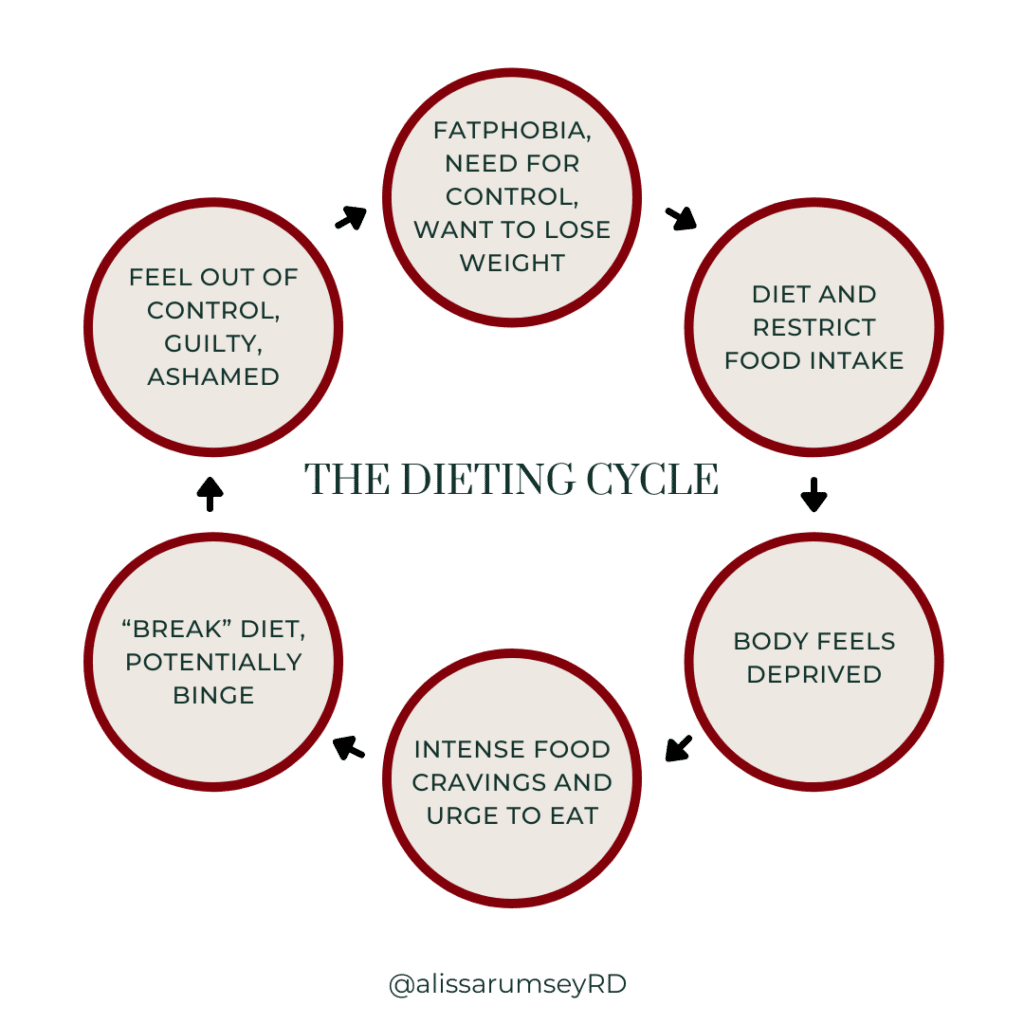
Source: alissarumsey.com
Why Weight Loss Doesn't Work
Many people embark on weight loss journeys with high hopes but end up failing. Traditional dieting often focuses just on reducing calorie intake and increasing exercise. This approach overlooks crucial factors like metabolism and genetic predispositions. According to this post, understanding different aspects can lead to more effective strategies. Short-term diets may show quick results but rarely lead to sustainable weight loss.
One of the critical reasons diets fail is metabolic adaptation. When you cut calories drastically, your metabolism slows down to conserve energy. This biological response makes it harder to continue losing weight over time. Some studies indicate a person can regain weight even faster than they lost it. The body views weight loss as a threat and works hard to restore the "normal" weight.
Psychological factors also play an essential role. Emotional stress can lead to overeating, which counteracts weight loss efforts. Additionally, restrictive diets can increase cravings and lead to binge eating. For example, many find it hard to avoid comfort foods when stressed. According to the article here, emotional stability is crucial.
To achieve long-term results, lifestyle changes are essential. These include balanced diets, regular physical activity, and mental health care. Rather than focusing solely on weight, aim for overall well-being. As this approach becomes a habit, maintaining a healthy weight becomes easier. Proper planning can make weight management part of daily life without seeming overwhelming or restrictive.
The Pitfalls of Traditional Weight Loss Strategies
Traditional weight loss methods often promise quick fixes. These methods usually involve controlling food intake and ramping up exercise. While they work initially, their effects are rarely long-lasting. According to this post, many experience rapid weight regain after ending their diets. The body fights back, making it hard to keep the weight off.
One of the major pitfalls is the emphasis on calorie counting. Reducing calorie intake can feel like a constant battle against hunger. This approach can lead to metabolic slowdown, causing the body to burn fewer calories. The result is slower weight loss, or even weight gain. Many find this highly discouraging.
Exercise-only plans also fail to deliver sustainable results. When not paired with a balanced diet, these plans become ineffective. Over-exercising can lead to injuries and burnout. Additionally, exercise can't fully compensate for poor eating habits. A holistic approach is necessary for long-term success.
Lastly, traditional methods often ignore the psychological aspects of weight loss. Emotional eating and stress can sabotage the best of diets. Without addressing these issues, dieting becomes a cycle of failure and frustration. A more comprehensive plan that includes mental health is essential. This ensures a better chance of achieving lasting results.
The Role of Metabolism in Weight Loss
Metabolism plays a crucial role in weight loss, impacting how quickly or slowly we burn calories. A faster metabolism means more calories burnt, even while resting. Conversely, a slower metabolism can make weight loss more challenging. Age, gender, and genetics all influence metabolic rate. Understanding these factors can help create more effective weight loss strategies.
Many traditional diets fail to consider the natural slowdown of metabolism with extreme calorie cuts. This slowdown is the body's response to perceived starvation. When fewer calories are consumed, the body conserves energy by burning fewer calories. This adaptation often leads to a weight loss plateau. Many find their progress stalling despite continued effort.
Building muscle can help boost metabolism. Muscle tissue burns more calories at rest compared to fat tissue. Incorporating strength training into your routine can lead to a higher metabolic rate. This combination leads to more effective and sustainable weight management. It also helps improve overall body composition.
Balancing diet with exercise is key for optimal metabolic function. Consuming enough protein supports muscle maintenance and growth. Regular physical activity, including both cardio and strength training, can keep metabolism elevated. A well-rounded approach ensures the body burns calories efficiently. This holistic strategy is more likely to yield lasting results.
Psychological Aspects of Weight Loss
The psychological aspects of weight loss are often underestimated. Our mental state can significantly influence our eating habits. Emotional stress, for example, can lead to overeating. Many people turn to food for comfort during stressful times. This creates a barrier to effective weight loss.
Self-esteem and body image also play crucial roles. People with low self-esteem may find it harder to stick to weight loss plans. They might feel like giving up more easily. Positive self-talk and confidence can improve adherence to healthy habits. Using mental strategies can enhance physical efforts.
Behavioral patterns are another key factor. Habits like snacking late at night or eating while distracted can impede progress. Identifying and modifying these behaviors is essential. Mindful eating practices can help. This approach involves paying full attention to the act of eating, which can reduce overeating.
Support systems make a considerable difference. Having family, friends, or support groups can provide motivation. They can offer both emotional and practical help. Sharing the journey with others can reduce feelings of isolation. It can also increase the likelihood of long-term success.
Stress management techniques are beneficial. Practices like meditation, yoga, and deep breathing can lower stress levels. These activities can improve emotional well-being and reduce stress-induced eating. Integrating them into daily routines can support weight loss goals. A well-rounded approach considers both mental and physical health.
The Importance of Sustainable Lifestyle Changes
Sustainable lifestyle changes are key to maintaining weight loss. Fad diets and extreme exercise routines are often short-lived. Effective weight management requires long-term habits. These include balanced eating, regular physical activity, and mental wellness. Making small, gradual changes can be more effective than quick fixes.
One important aspect is finding a balanced diet you can stick with. Crash diets may help you lose weight quickly, but the results rarely last. Incorporating a variety of nutritious foods ensures you get all the necessary nutrients. This includes fruits, vegetables, whole grains, and lean proteins. A balanced diet supports both weight loss and overall health.
Physical activity should be enjoyable and sustainable. Many people give up on exercise routines because they are too intense or boring. Finding an activity you love can make it easier to stay active. This could be anything from walking to dancing or team sports. Regular movement keeps your metabolism active and supports weight loss.
Mental wellness is equally important for sustainable weight management. Managing stress through practices like meditation or yoga can help. Reducing stress can decrease emotional eating and improve your mood. Engaging in activities that promote mental health is crucial. This balanced approach ensures long-term success without feeling overwhelming.
Enlist the support of family and friends. A strong support system can offer motivation and accountability. Share your goals with others to track progress together. Whether through group activities or just talking, support can make a big difference. Emotional and practical help from loved ones enhances your chances of success.
Reframing the Concept of Weight Loss
Reframing the concept of weight loss involves shifting the focus from losing pounds to gaining health. Many people get discouraged when the number on the scale doesn't move. Instead, emphasizing improvements in energy levels and overall well-being can be more motivating. This holistic approach can lead to lasting changes. It makes the journey more rewarding.
Instead of aiming for a certain weight, consider setting fitness goals. For example, working towards running a 5K or mastering a new yoga pose can be exciting. These goals can keep you engaged and committed. They also shift focus from appearance to abilities and achievements. This perspective helps maintain motivation over time.
Monitor progress through various health markers instead of just weight. You can track improvements in blood pressure, cholesterol levels, or even sleep quality. Measuring these metrics can provide a more comprehensive view of your health. It can also show the benefits of lifestyle changes beyond weight loss. This multidimensional tracking keeps the journey balanced.
Adopting a positive mindset is crucial for reframing weight loss. Celebrate small victories along the way. Whether it's choosing a healthy meal or skipping a sugary snack, recognize your efforts. This positive reinforcement builds confidence and helps maintain momentum. It's about appreciating the journey, not just the destination.
Frequently Asked Questions
Here are some common questions and answers that delve into various aspects of weight loss. These provide insights on the challenges people face and how to approach weight management effectively.
1. What is metabolic adaptation?
Metabolic adaptation is the body's way of conserving energy when calorie intake reduces. When you start dieting, your body senses a drop in food supply. To protect itself, it slows down the metabolism. This means fewer calories are burned at rest, making further weight loss harder.
This process can lead to a plateau where losing more weight seems impossible despite continued effort. Understanding metabolic adaptation helps shape more effective and sustainable diet plans, ensuring long-term success rather than short-term fixes.
2. How does emotional eating affect weight loss?
Emotional eating occurs when people use food to cope with feelings rather than hunger. Stress, sadness, or boredom can trigger this behavior. Emotional eaters often reach for high-calorie comfort foods that provide temporary relief but hinder weight loss efforts.
This cycle can lead to guilt and further emotional distress, making it tougher to stick to a healthy eating plan. Recognizing triggers and finding alternative coping mechanisms, like exercise or hobbies, can help break the cycle and support weight management goals.
3. Why do restrictive diets fail long-term?
Restrictive diets can lead to rapid initial weight loss but often fail over time because they are unsustainable. They limit the variety of foods you can eat, which makes it hard to get all necessary nutrients. Over time, this deprivation leads to cravings and eventual binge eating.
The key is finding a balanced diet that you enjoy and can maintain long-term. This approach ensures you receive essential nutrients while keeping your meals satisfying and enjoyable.
4. Can muscle building aid in weight loss?
Yes, building muscle can significantly aid in weight loss because muscle tissue burns more calories at rest compared to fat tissue. Strength training exercises help build lean muscle mass that increases your resting metabolic rate (RMR). The higher your RMR, the more calories you burn throughout the day.
This makes it easier to create a calorie deficit needed for weight loss without excessive dieting or extreme exercise routines. Incorporating strength training into your fitness regimen helps achieve sustainable results by boosting metabolism.
5. What role does sleep play in weight management?
Adequate sleep is crucial for effective weight management. Poor sleep disrupts hormones that regulate hunger and appetite, leading to increased cravings for unhealthy foods particularly high in sugar and fat content.
Lack of sleep also decreases energy levels making physical activity less likely throughout the day enhancing sedentary behavior which contributes further towards gaining unwanted pounds thus establishing consistent sleeping schedule proves beneficial!
Conclusion
Understanding why weight loss often fails is crucial for creating effective strategies. Factors like metabolic adaptation, emotional eating, and the pitfalls of restrictive diets are significant hurdles. By addressing these issues, we can develop more sustainable approaches.
Reframing weight loss as a journey toward overall well-being rather than just shedding pounds offers a more holistic perspective. Sustainable lifestyle changes and a focus on mental health are key. This balanced approach ensures lasting success and improved health.

Viola R. Daigle
I'm Viola R. Daigle, a dedicated Internet Marketer. I work with WarriorPlus as a Vendor and Affiliate, and I’m also an Affiliate on JVZoo and Legendary Marketer. My passion is to provide honest and detailed reviews of Internet Marketing (IM) products and software. I love helping people choose the right tools and strategies to grow their online business with confidence.


