
Are Quest Bars Good for Weight Loss?

Quest Bars are quite popular among those looking for convenient, nutritious snacks, but are they truly effective for weight loss? With a protein content ranging from 17 to 21 grams per bar, these snacks can promote satiety and help manage calorie intake. Generally, each bar contains about 180-200 calories and low sugar levels, which might appeal to someone dieting.
However, it's important to note that some individuals may experience digestive issues due to artificial sweeteners in the bars. While they can be a useful part of your diet, Quest Bars shouldn't replace whole foods that offer more comprehensive nutrients overall. Moderation is key!
Nutritional Profile of Quest Bars
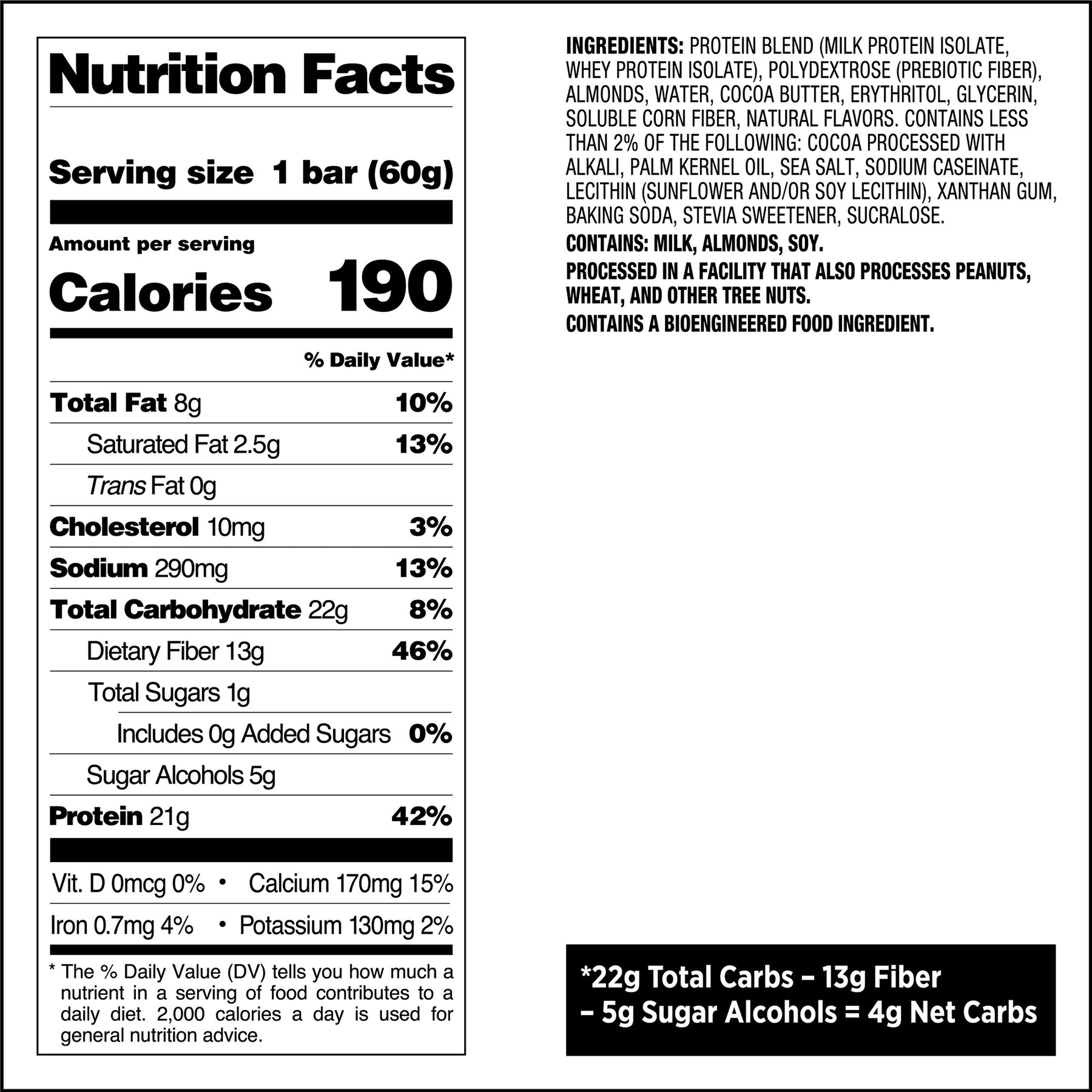
Credits: questnutrition.com
Quest Bars are known for their impressive nutritional profile, making them a popular choice among health-conscious consumers. Each bar typically packs between 17 to 21 grams of protein, which is essential for muscle recovery and helps keep you feeling full. The caloric content ranges from 180 to 200 calories per bar, which can fit well into a weight loss plan. They contain about 24-25 grams of carbohydrates, but their high fiber content, which can be as much as 13 grams, lowers the net carbs significantly. This makes them appealing for those on low-carb diets.
Additionally, with only 1 gram of sugar, Quest Bars provide a sweet treat without the high sugar load found in many other snacks. However, they do include artificial sweeteners, which can be a concern for some consumers due to potential digestive issues.
Overall, while they offer a good balance of protein, fiber, and low sugar, it's important to consider their processed nature and how they fit into your overall diet.

Protein Content and Its Benefits
Quest Bars are known for their high protein content, ranging from 17 to 21 grams per bar. This makes them a popular choice for those looking to lose weight, as protein is essential for muscle maintenance and repair. Consuming adequate protein can help you feel fuller for longer, which may reduce hunger and prevent overeating. For example, a post-workout snack like a Quest Bar can aid in muscle recovery while also keeping cravings at bay.
Additionally, the fiber content in Quest Bars, which can be as high as 13 grams, enhances their satiating effects. Fiber promotes digestion and can help manage blood sugar levels, which is beneficial for weight management.
By incorporating a snack that combines both high protein and fiber, you support your body's nutritional needs while working towards your weight loss goals. This makes Quest Bars not just a snack, but a strategic addition to a weight loss plan.
Caloric and Carb Count Explained

Credits: amazon.com
Each Quest Bar typically contains around 180-200 calories, making them a moderate-calorie snack option. The carbohydrate count ranges from 24 to 25 grams per bar. However, because they are high in fiber—providing 8 to 13 grams—the net carbs are significantly lower. This makes them appealing for those on low-carb diets, as they can enjoy a sweet snack without consuming too many carbohydrates.
For example, if a bar has 25 grams of carbs and 10 grams of fiber, the net carbs would be just 15 grams. This aspect is particularly beneficial for individuals aiming to manage their carbohydrate intake while still enjoying a convenient snack.
Sugar and Sweeteners in Quest Bars
Quest Bars contain only 1 gram of sugar, making them a low-sugar snack option. Instead of sugar, they use artificial sweeteners like sucralose and erythritol. These sweeteners help to keep the calorie count down, which can be beneficial for those looking to lose weight. However, some people may experience digestive discomfort due to sugar alcohols, leading to bloating and gas. This can vary from person to person.
Additionally, while these sweeteners provide a sweet taste without the calories of sugar, there are concerns that they might increase cravings for sweet foods in some individuals, potentially leading to overeating later. It's important to consider how your body reacts to these ingredients and to consume Quest Bars in moderation.
The Role of Fiber in Weight Loss
Fiber plays a crucial role in weight loss by promoting feelings of fullness and aiding digestion. Quest Bars contain a significant amount of fiber, with some bars offering up to 13 grams per serving. This high fiber content can help keep you satisfied for longer periods, making it less likely that you'll reach for additional snacks or overeat during meals. For example, soluble fiber can slow down the digestion process, leading to a gradual release of energy and reducing hunger pangs.
Additionally, fiber is important for healthy gut function, which can impact overall health and weight management. Including fiber-rich foods, like Quest Bars, in your diet can be an effective strategy for controlling appetite and supporting weight loss efforts.
Benefits of High Protein and Fiber
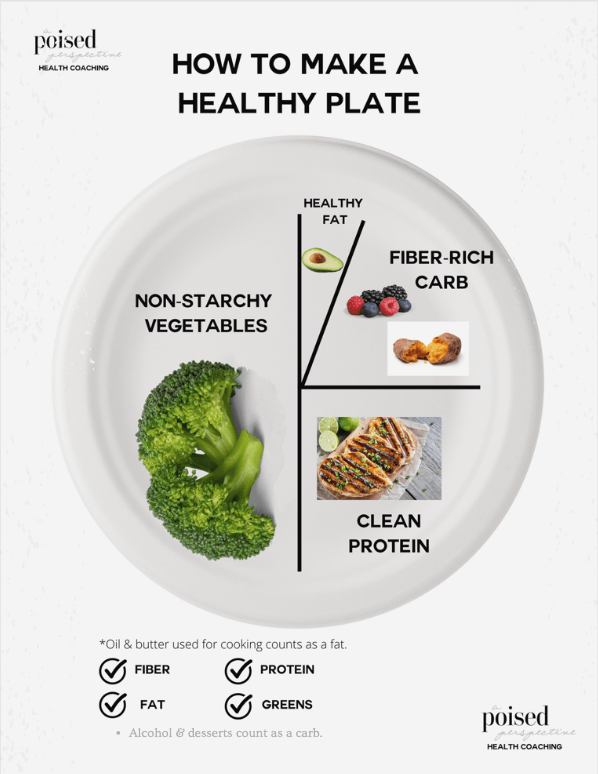
Credits: apoisedperspective.com
The high protein and fiber content in Quest Bars plays a crucial role in supporting weight loss. Protein is essential for building and repairing tissues, and it also helps to maintain muscle mass while losing weight. When you consume protein, it promotes feelings of fullness, which can help you eat less overall. For example, a Quest Bar with 20 grams of protein can keep you satisfied for longer, reducing the urge to snack between meals.
Fiber, on the other hand, aids digestion and also contributes to that feeling of fullness. With some flavors containing up to 13 grams of fiber, Quest Bars can help regulate your appetite and lead to lower calorie consumption throughout the day. A fiber-rich diet is often linked to weight loss because it slows down the digestion process, leading to more steady energy levels and less frequent hunger pangs. Together, the protein and fiber in Quest Bars can make them a smart choice for those looking to manage their weight effectively.
Supports muscle growth and repair
Enhances satiety, reducing overall calorie intake
Aids in maintaining blood sugar levels
Encourages fat loss while preserving lean muscle
Improves metabolic rate through increased thermogenesis
Contributes to digestive health and regularity
Helps curb cravings and prevents snacking between meals
Convenience of Quest Bars for Busy Lifestyles
Quest Bars are designed for those with hectic schedules who need quick, nutritious options. They can easily fit into a bag or purse, making them a go-to snack for work, travel, or even post-workout refueling. For busy individuals, the convenience of having a protein-rich snack on hand can prevent unhealthy eating choices, such as grabbing fast food or sugary snacks.
For example, if you're rushing between meetings and can't sit down for a meal, a Quest Bar can provide a satisfying boost of protein and fiber without taking up much time. This ease of access can help maintain energy levels and support weight loss goals by ensuring you have healthier alternatives readily available.
Low Sugar Content Compared to Other Snacks
Quest Bars are particularly appealing for those looking to manage their weight due to their low sugar content. Each bar contains just 1 gram of sugar, which is significantly lower than many traditional snack options like candy bars, which can have 20 grams of sugar or more. For instance, a typical chocolate bar can pack around 30 grams of sugar, leading to empty calories that provide little nutritional value.
In comparison, Quest Bars use artificial sweeteners like sucralose and erythritol to maintain sweetness without the added calories. This low sugar content can help reduce cravings and prevent blood sugar spikes, making it easier to stick to a weight loss plan.
However, while they provide a lower-sugar alternative, it's essential to consider the overall quality of the ingredients and how they fit into your diet.
Drawbacks of Highly Processed Ingredients
Quest Bars are convenient, but they come with some drawbacks due to their highly processed ingredients. Many bars contain artificial sweeteners like sucralose and erythritol, which can cause digestive discomfort for some people, including bloating and gas. This can be particularly troublesome for those who are sensitive to sugar alcohols.
Additionally, while these bars provide a quick source of protein, they shouldn't replace whole foods in your diet. Whole foods offer a wider array of nutrients that are beneficial for overall health. Relying too much on processed bars may lead to nutritional gaps over time.
Furthermore, some research suggests that artificial sweeteners might actually increase cravings for sweet foods, which can be counterproductive for weight loss efforts. It’s essential to enjoy these bars in moderation and ensure they're part of a well-rounded diet.
Digestive Issues with Artificial Sweeteners
Quest Bars use artificial sweeteners like sucralose and erythritol to keep sugar content low. While these sweeteners help reduce calories, they can cause digestive problems for some people. Common issues include bloating, gas, and stomach discomfort. For instance, erythritol, though generally safe, can lead to gastrointestinal upset, especially when consumed in large amounts.
Many users have reported experiencing these symptoms after eating Quest Bars, which can deter them from using the product regularly. It's important to pay attention to how your body reacts when trying these bars, as not everyone will have the same experience.
Limitations of Quest Bars as Meal Replacements
While Quest Bars present a convenient snack option, they have limitations when it comes to replacing full meals. Firstly, they may not provide all the nutrients necessary for a balanced diet. Whole foods contain vitamins, minerals, and phytochemicals that are often lacking in processed bars. For example, a bar might offer protein and fiber but miss out on essential nutrients found in fruits, vegetables, and whole grains.
Moreover, relying on Quest Bars too heavily can lead to monotony in your diet, which might decrease overall satisfaction and adherence to healthy eating habits. Eating the same types of foods repeatedly can also lead to cravings for a more diverse range of flavors and textures, potentially causing you to overindulge in less healthy options later on.
Additionally, they may not be filling enough for some individuals when used as a meal replacement. While high in protein and fiber, some people might still feel hungry after consuming a Quest Bar, leading to additional snacking that could counteract weight loss goals. Incorporating a variety of whole foods can help ensure that you feel satiated while providing the nutrients your body needs.
Potential Risks of Weight Gain with Sweeteners
While Quest Bars are often touted as a convenient snack option for those looking to lose weight, the inclusion of artificial sweeteners raises some concerns. Studies suggest that these sweeteners, like sucralose and erythritol, might disrupt the body's natural hunger signals. For some people, consuming products with artificial sweeteners can lead to increased cravings for sugary foods, which may counteract the intended weight loss effects.
Additionally, there is evidence that reliance on these sweeteners can create a preference for overly sweet foods, making it harder to enjoy less sweet, whole food options. It's important to approach these bars with caution, especially if you find yourself reaching for them more frequently than whole foods. Moderation is key, as overconsumption of sweetened snacks might lead to unintended weight gain rather than loss.
Final Thoughts on Using Quest Bars for Weight Loss
Incorporating Quest Bars into your weight loss plan can be beneficial if done wisely. Their high protein and fiber content makes them a filling snack, which can help manage your hunger and reduce the likelihood of overeating. For example, having a Quest Bar after a workout can aid muscle recovery and keep you satisfied until your next meal.
However, it's important to be mindful of their highly processed nature. While they provide convenience, they should complement a diet rich in whole foods like fruits, vegetables, and whole grains. Moderation is key, as excessive reliance on protein bars could lead to nutrient gaps. It's also wise to pay attention to how your body reacts to artificial sweeteners, as some people may experience digestive discomfort or increased cravings.
Ultimately, if you enjoy Quest Bars and they help you stay on track with your goals, they can be a useful part of your weight loss journey.
Frequently Asked Questions
1. Can Quest Bars help me lose weight?
Yes, Quest Bars can support weight loss because they are high in protein and fiber, which can help you feel full longer.
2. Are Quest Bars low in sugar?
Yes, Quest Bars are low in sugar, which makes them a good option if you're trying to cut down on sugar while losing weight.
3. How many calories are in a Quest Bar?
Most Quest Bars contain between 190 to 220 calories, depending on the flavor, which can fit into a weight loss plan.
4. Should I eat Quest Bars every day while trying to lose weight?
While you can include Quest Bars in your diet, it's best to eat a variety of foods for balanced nutrition.
5. Do Quest Bars contain artificial ingredients?
Some flavors of Quest Bars do contain artificial ingredients, so it's important to read the label if you want to avoid them.
Final Verdict
Quest Bars are high-protein snacks (17-21g) with low sugar (1g) and significant fiber (8-13g), making them potentially beneficial for weight loss by promoting fullness and convenience. However, they are highly processed and shouldn’t replace whole foods, as reliance on them may lead to nutrient deficiencies. Caution is advised with artificial sweeteners, which could increase cravings for some people. In moderation, they can be part of a balanced diet.

Viola R. Daigle
I'm Viola R. Daigle, a dedicated Internet Marketer. I work with WarriorPlus as a Vendor and Affiliate, and I’m also an Affiliate on JVZoo and Legendary Marketer. My passion is to provide honest and detailed reviews of Internet Marketing (IM) products and software. I love helping people choose the right tools and strategies to grow their online business with confidence.


