
Can a Hernia Cause Weight Loss? Facts Explained

Hernias are common issues where organs or tissues bulge through weak muscle areas, often bringing discomfort. Interestingly, they can also lead to weight loss, but how? Certain types like hiatal hernias can cause painful symptoms such as heartburn and nausea, which may result in a decreased appetite. Internal hernias might create severe complications like bowel obstruction, causing even more drastic weight loss as the body struggles with digestion.
Moreover, after surgical repairs of hernias, patients often face post-operative dietary restrictions and sometimes a temporary loss of appetite. Thus, understanding hernia effects is vital for those noticing unexplained weight changes.
What Is a Hernia?
Credits: californiaherniaspecialists.com
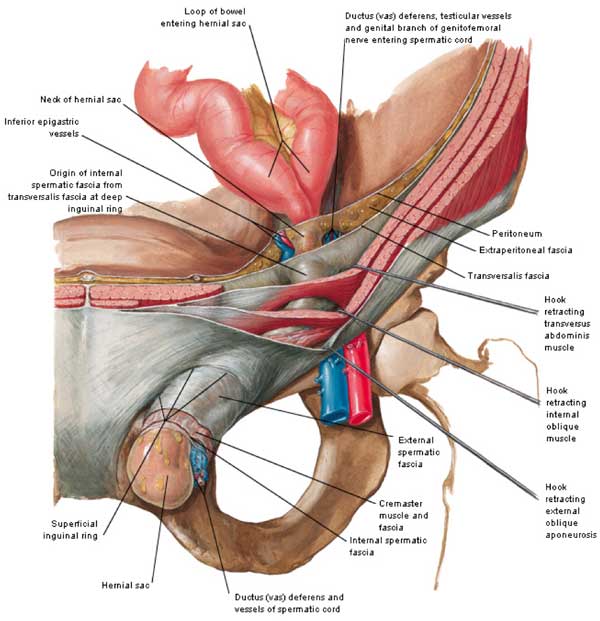
A hernia occurs when an organ pushes through an opening in the muscle or tissue that holds it in place. The most common locations for hernias include the abdomen, groin, and upper thigh. Hernias are categorized into several types, including:
Inguinal Hernia: The most common type, occurring when the intestines push through a weak spot in the lower abdominal wall, often in the inguinal canal.
Hiatal Hernia: Occurs when part of the stomach protrudes through the diaphragm into the chest cavity. This type is particularly common in people over 50 years old.
Umbilical Hernia: Common in infants, it happens when the intestines bulge through the abdominal wall near the belly button.
Ventral Hernia: Occurs when tissue bulges through an opening in the abdominal muscles, often at the site of a previous surgical incision.
Types of Hernias and Their Locations
Credits: thesurgeonscollective.com.au
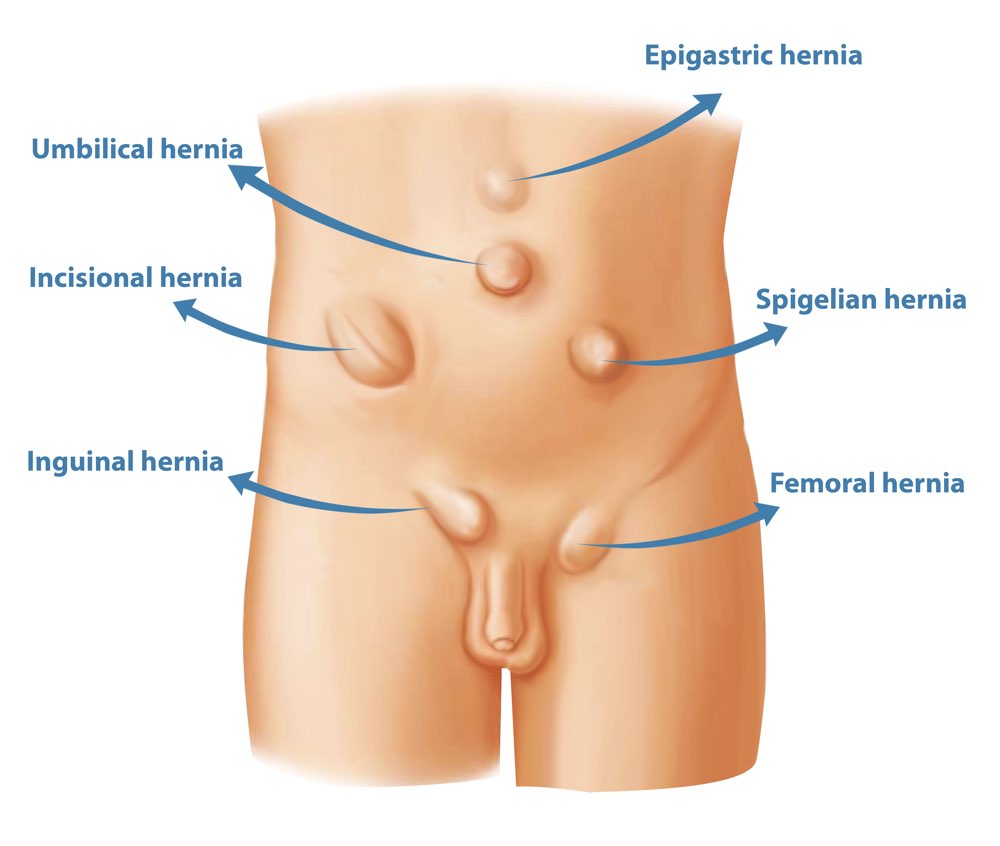
Hernias can occur in various locations and are classified into several types based on where they develop. The most common type is the inguinal hernia, which occurs in the groin area when the intestines push through a weak spot in the lower abdominal wall. This type is particularly prevalent among men.
Another common type is the hiatal hernia, where part of the stomach protrudes through the diaphragm into the chest cavity, often causing gastrointestinal symptoms. Umbilical hernias, frequently seen in infants, occur when the intestines bulge through the abdominal wall near the belly button.
Lastly, ventral hernias develop at sites of previous surgical incisions in the abdominal area. Each type has unique characteristics and potential complications, which can influence symptoms and overall health.
How Can a Hernia Lead to Weight Loss?
Credits: aasthabariatrics.com
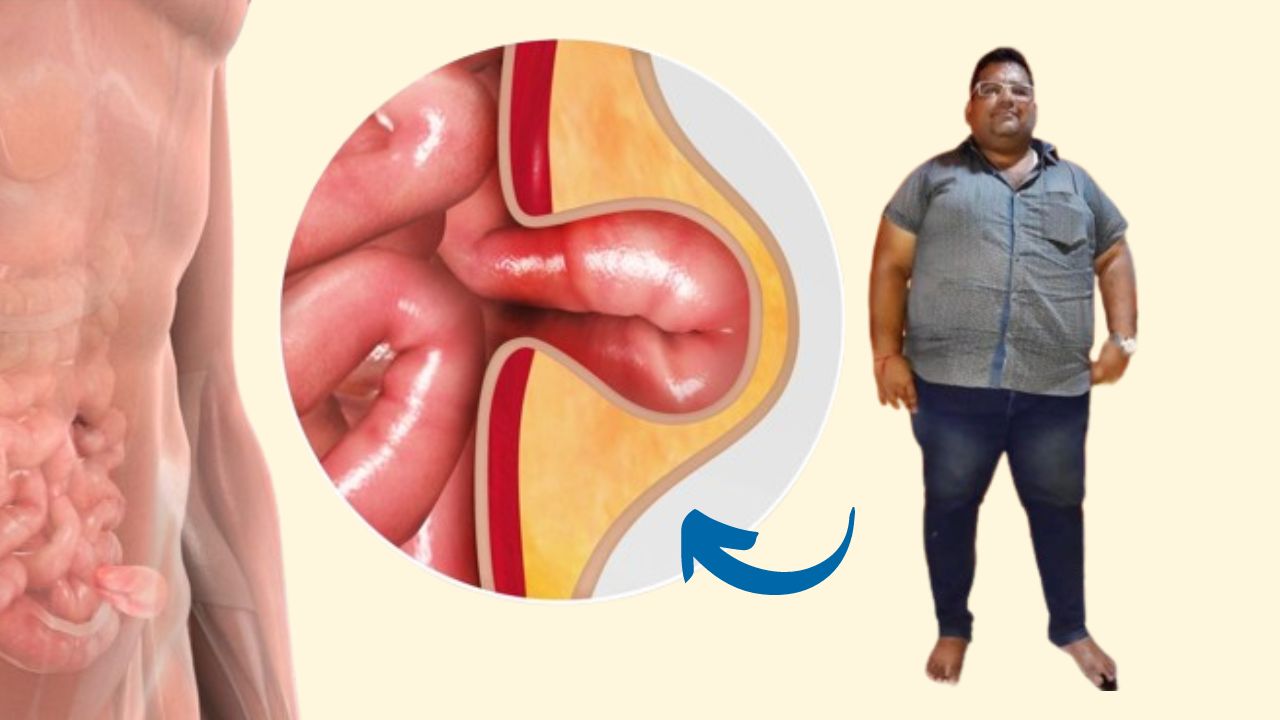
A hernia can lead to weight loss through several mechanisms. First, the symptoms associated with hernias, particularly hiatal hernias, often include nausea, heartburn, and difficulty swallowing. These discomforts can significantly reduce a person's appetite, leading to decreased caloric intake. For example, someone with a hiatal hernia may find that eating large meals exacerbates their symptoms, prompting them to eat less overall.
Another factor is internal hernias, which are less common but can cause severe complications like bowel obstruction. This results in abdominal pain and can prevent the normal digestion of food, contributing to weight loss as the body struggles to process what is consumed.
Surgical interventions for hernias can also lead to weight loss. After hernia repair surgery, patients often face dietary restrictions or experience a temporary loss of appetite during recovery. These changes can lead to reduced food intake and, consequently, weight loss.
Chronic conditions that coexist with hernias can exacerbate weight loss. For instance, a person dealing with chronic pain from a hernia may find it difficult to maintain regular physical activity, which can lead to muscle loss and weight reduction.
Overall, hernias can affect weight in various ways, from appetite suppression due to symptoms to complications arising from the condition itself.
Reduced appetite due to discomfort or pain
Nausea and vomiting affecting food intake
Altered digestion leading to malabsorption
Stress and anxiety related to the condition
Increased metabolism from chronic pain
Medications that may suppress appetite
Dietary changes to manage symptoms
Gastrointestinal Symptoms and Appetite Changes
Hernias can lead to various gastrointestinal symptoms that significantly impact appetite. For instance, individuals with a hiatal hernia often experience symptoms like heartburn, regurgitation, and chest pain, which can make eating uncomfortable. This discomfort may cause them to avoid meals or eat less, ultimately resulting in weight loss. Additionally, hernias can contribute to nausea or a feeling of fullness even after consuming small amounts of food.
In some cases, the location of the hernia can exacerbate these symptoms. For example, an inguinal hernia may lead to pain that radiates to the abdomen, causing a person to eat less due to discomfort. Furthermore, the stress and anxiety associated with managing a hernia can also affect appetite. Stress can trigger the body's fight-or-flight response, which often suppresses hunger.
Moreover, if a hernia leads to complications, such as bowel obstruction, the situation can worsen. Bowel obstruction can cause severe pain and vomiting, making it impossible to retain food. This can lead to rapid weight loss as the body is unable to absorb nutrients effectively.
In summary, gastrointestinal symptoms associated with hernias can lead to changes in appetite, further contributing to unintended weight loss.
Internal Hernias and Their Complications
internal hernias are a less common type of hernia that occur when an organ, usually part of the intestine, protrudes through a defect in the peritoneal cavity. This condition can lead to serious complications, including bowel obstruction, which can be life-threatening if not addressed promptly. Individuals with internal hernias may experience symptoms such as severe abdominal pain, nausea, and vomiting, which can significantly impact their ability to eat and digest food.
The complications from internal hernias can result in unintended weight loss, as the body may struggle to absorb nutrients effectively due to the obstruction. For instance, a person may find themselves unable to eat normally because of the pain or may be unable to keep food down, leading to malnutrition and weight loss over time. One notable case documented in medical literature described a patient who experienced significant weight loss due to an internal hernia that had gone undiagnosed for several months, illustrating how insidious and troubling this condition can be.
Moreover, the risk of developing an internal hernia can increase after abdominal surgeries, where the anatomy is altered, creating new potential sites for herniation. When these internal hernias occur, especially after procedures like gastric bypass surgery, they can lead to drastic weight changes, either through obstruction or because of changes in eating habits due to discomfort. Therefore, recognizing the signs of internal hernias is crucial for timely intervention, which can prevent further complications and help maintain a healthy weight.
Weight Loss After Hernia Surgery
Weight loss after hernia surgery is a common experience for many patients. This can occur for several reasons. First, following surgery, patients are often advised to follow a specific diet that may restrict certain foods or limit portion sizes. These dietary changes can naturally lead to a decrease in caloric intake, contributing to weight loss.
Additionally, the recovery period can result in a temporary loss of appetite. Pain and discomfort during the healing process can make it difficult for individuals to eat as they normally would. For instance, someone who typically consumes three meals a day may find themselves eating significantly less due to these factors.
Moreover, the surgical procedure itself can trigger physiological responses that affect metabolism and appetite. Some patients may also experience changes in their digestive patterns after surgery, leading to further weight loss. In some cases, if complications arise, such as infections or additional surgeries, the impact on nutrition can be even more pronounced.
It's important for patients to monitor their weight during recovery and consult with their healthcare provider if they notice significant changes. Nutritionists may provide guidance on how to regain healthy weight after surgery, focusing on balanced meals that aid in recovery while ensuring adequate calorie intake.
Chronic Conditions and Weight Loss
Chronic conditions can significantly impact a person's overall health and may contribute to weight loss, especially in individuals with hernias. When someone is living with a hernia, they might experience ongoing pain or discomfort, which can discourage physical activity. Reduced activity levels often lead to decreased caloric expenditure, but it can also result in reduced appetite and energy levels. For instance, a person with a hiatal hernia might find it painful to eat large meals, leading them to consume less food overall.
Additionally, if a hernia causes complications such as bowel obstruction, the body can struggle to process food, leading to further weight loss. Moreover, chronic conditions like diabetes or heart disease, when combined with hernias, may exacerbate these symptoms and create a cycle of weight loss that can be difficult to break.
It's essential to recognize that the relationship between chronic conditions and weight loss is complex, often requiring a multidisciplinary approach for effective management.
Clinical Evidence of Weight Loss from Hernias
Clinical studies have indicated that internal hernias can occasionally lead to unintentional weight loss. For example, a case published in the American Journal of Gastroenterology described how internal hernias can be difficult to diagnose, contributing to significant weight loss and complications such as bowel obstruction if not addressed promptly.
Furthermore, research has shown that individuals who have undergone surgery for obesity may experience excessive weight loss due to complications from internal hernias that can form after the procedure. These findings highlight the potential link between hernias and weight loss, particularly in cases involving internal hernias and postoperative complications.

When to Seek Medical Help for Hernias
If you suspect you have a hernia, it’s important to seek medical help promptly. Look for signs such as a noticeable bulge in the area, persistent pain, or discomfort that worsens with activity. Additionally, if you experience symptoms like nausea, vomiting, or changes in bowel habits, these could indicate complications like an internal hernia or bowel obstruction, which require immediate attention.
In some cases, hernias can lead to strangulation, where blood supply to the affected tissue is cut off, leading to severe pain and potentially serious health risks. If you notice rapid weight loss along with these symptoms, it’s crucial to consult a healthcare professional to evaluate your condition and discuss treatment options.
Frequently Asked Questions
1. Can a hernia make me lose weight?
Yes, in some cases, a hernia can lead to weight loss. This may happen if the hernia causes pain or discomfort, making it hard to eat normally.
2. What kind of hernia can cause weight loss?
Any type of hernia, like an inguinal or hiatal hernia, might cause weight loss if it leads to symptoms that affect your appetite or ability to eat.
3. Are there other symptoms of a hernia besides weight loss?
Yes, other symptoms of a hernia may include pain or a noticeable bulge in the affected area, nausea, or difficulty swallowing, depending on the type of hernia.
4. Is weight loss from a hernia serious?
Weight loss due to a hernia can be concerning and may indicate that the hernia needs medical attention. It’s important to talk to a doctor if you notice significant weight loss.
5. How can I tell if my weight loss is related to a hernia?
If you have a known hernia and notice unexplained weight loss, along with other symptoms like pain or changes in your eating habits, it's best to see a doctor for evaluation.
Conclusion:
Hernias can cause weight loss due to gastrointestinal symptoms that reduce appetite, complications like bowel obstruction from internal hernias, and dietary restrictions after surgery. It's essential to seek medical evaluation for unexplained weight loss or related symptoms, as early diagnosis and treatment can mitigate complications and improve health.

Viola R. Daigle
I'm Viola R. Daigle, a dedicated Internet Marketer. I work with WarriorPlus as a Vendor and Affiliate, and I’m also an Affiliate on JVZoo and Legendary Marketer. My passion is to provide honest and detailed reviews of Internet Marketing (IM) products and software. I love helping people choose the right tools and strategies to grow their online business with confidence.


