
Does Inositol Really Help with Weight Loss? A Deep Dive

Inositol is an interesting compound that has been getting a lot of attention for its potential role in weight management. Often categorized as a pseudovitamin, it’s most commonly found in forms like myo-inositol and D-chiro-inositol. This article goes deep into how inositol might help people, particularly those with PCOS, manage their weight more effectively. It helps improve insulin sensitivity, which is crucial for combating obesity linked to insulin resistance.
Moreover, it can balance hormones that affect appetite and metabolism while helping curtail cravings and promoting fat breakdown. With positive findings from recent studies, inositol shows promise as part of an overall healthy lifestyle aimed at weight loss.
Understanding Inositol and Its Forms
Credits: pubchem.ncbi.nlm.nih.gov
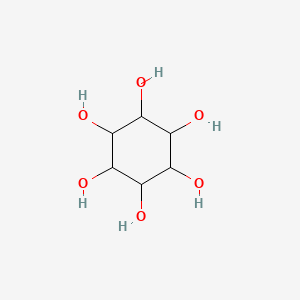
Inositol is a type of carbohydrate that plays a significant role in various biological processes. It exists in different forms, with myo-inositol (MI) and D-chiro-inositol (DCI) being the most researched. Myo-inositol is often highlighted for its potential benefits in managing insulin sensitivity, particularly in women with Polycystic Ovary Syndrome (PCOS). D-chiro-inositol also contributes to similar effects but operates through slightly different pathways.
Inositol is naturally found in a variety of foods, including whole grains, fruits, nuts, and beans. The body can also produce inositol from glucose, making it a vital component of our metabolism. Although it is sometimes referred to as a pseudovitamin or sugar alcohol, inositol is not a conventional carbohydrate. Instead, it functions primarily in cell signaling and the regulation of hormones, which are crucial for maintaining metabolic health and managing weight effectively.
How Inositol Affects Insulin Sensitivity
Credits: mdpi.com
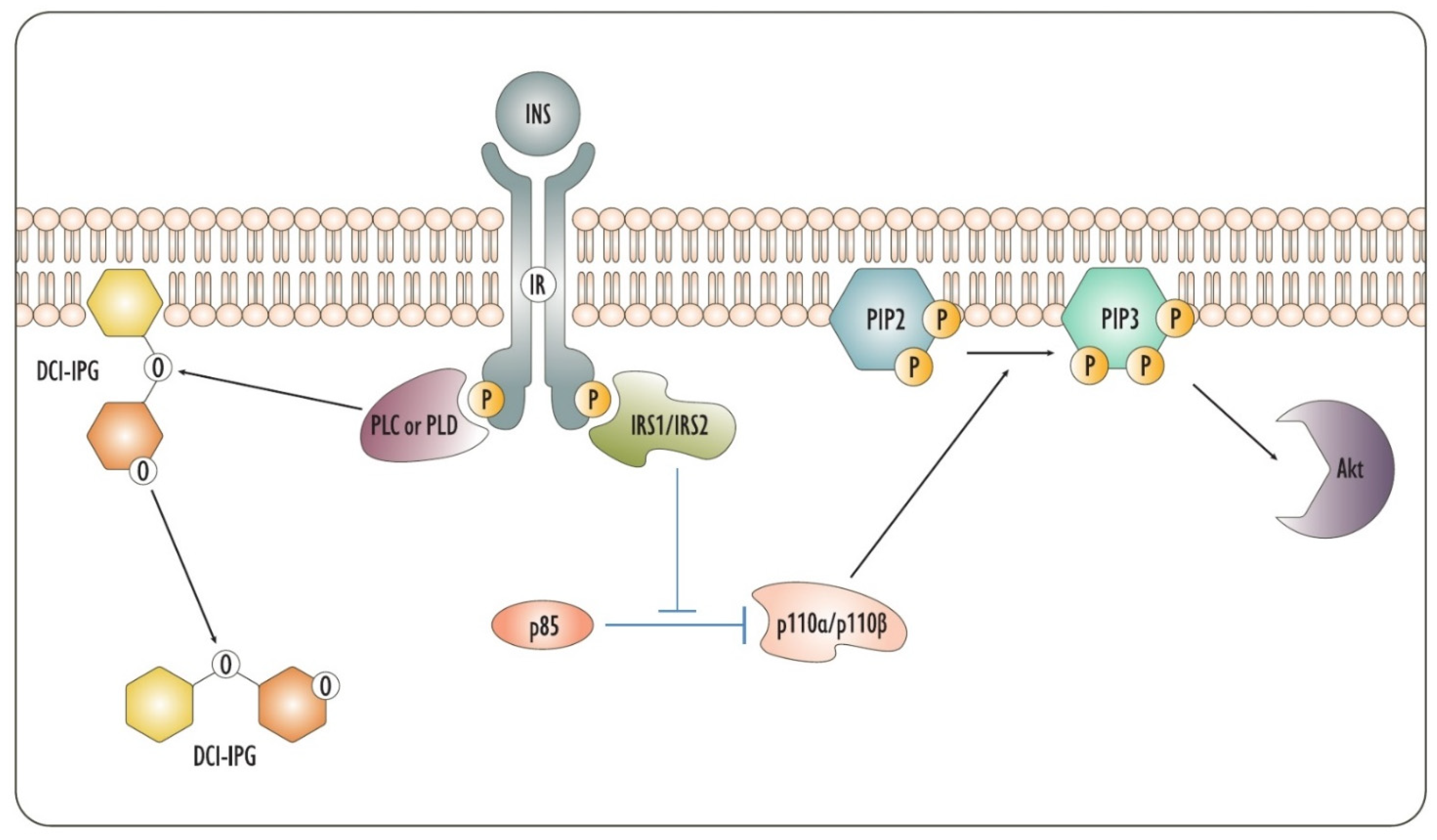
Inositol plays a vital role in enhancing insulin sensitivity, which is crucial for weight management, especially for those with conditions like PCOS. When insulin sensitivity improves, the body can better utilize glucose, leading to lower blood sugar levels and reduced insulin resistance. For example, inositol supplementation can help cells respond more effectively to insulin, facilitating glucose uptake and reducing the likelihood of fat storage.
Research has shown that inositol, particularly myo-inositol, can significantly lower insulin levels in the bloodstream. This reduction is beneficial because high insulin levels are associated with weight gain and fat accumulation. By improving insulin sensitivity, inositol helps not only in weight loss but also in stabilizing blood sugar levels, which can prevent spikes that lead to cravings and overeating.
Furthermore, inositol's impact on insulin sensitivity is not just theoretical; clinical studies support its effectiveness. In trials involving women with PCOS, participants who took inositol showed marked improvements in their insulin sensitivity, which correlated with weight loss and better metabolic health. Thus, by addressing insulin resistance, inositol may serve as a valuable tool in the weight loss journey for those affected by metabolic disorders.
The Role of Inositol in Hormonal Balance
:max_bytes(150000):strip_icc()/inositol-what-should-i-know-about-it-89466-final-cdacaae1311d4f04bb631da5d8fc179e.png)
Credits: verywellmind.com
Inositol plays a significant role in maintaining hormonal balance, which is crucial for effective weight management. It helps regulate hormones that influence appetite and metabolism, potentially reducing cravings that can lead to overeating. For instance, inositol can affect levels of leptin and ghrelin, hormones that signal hunger and satiety, respectively. By stabilizing these hormones, inositol may help individuals feel fuller for longer periods, making it easier to adhere to dietary goals.
Additionally, inositol has a positive impact on stress hormones like cortisol. Elevated cortisol levels, often a result of chronic stress, can lead to weight gain, particularly around the abdomen. By helping to manage cortisol, inositol may mitigate stress-induced weight gain. This interplay between stress and weight is particularly relevant for those with conditions such as PCOS, where hormonal imbalances are common.
For example, women with PCOS often experience higher levels of both insulin and cortisol, which can contribute to weight gain. Inositol supplementation could help regulate these hormones, thus supporting weight loss efforts and overall metabolic health.
Inositol's Impact on Fat Metabolism
Inositol may play a crucial role in fat metabolism, which is essential for weight management. Research suggests that inositol can increase the production of adiponectin, a hormone that helps regulate glucose levels and fatty acid breakdown. Higher levels of adiponectin are associated with improved fat metabolism, which can lead to decreased fat accumulation in the liver and other areas of the body.
Additionally, inositol may assist in controlling appetite and reducing the likelihood of overeating. By influencing hormones related to hunger, it can help individuals maintain a calorie deficit, a key component for successful weight loss. For example, individuals taking inositol often report fewer cravings, making it easier to stick to their dietary goals. Studies have indicated that those who supplement with inositol experience better fat loss compared to those who rely solely on diet and exercise. This suggests that inositol can enhance the body's ability to burn fat and manage weight effectively.
Clinical Evidence for Inositol and Weight Loss
Research on inositol and its effects on weight loss has shown promising results, particularly for individuals with metabolic disorders like PCOS. A systematic review found that inositol supplementation can significantly reduce body mass index (BMI) in overweight individuals, especially those with PCOS. For example, a study indicated that myo-inositol, taken at around 2 grams per day, led to marked weight loss and improved insulin sensitivity in participants.
In clinical trials, the combination of myo-inositol and D-chiro-inositol has shown even more benefits, enhancing weight loss and metabolic health over a six-month period. Women with PCOS reported not only weight loss but also better control of their insulin levels, which is crucial for managing their condition.
Moreover, inositol's effectiveness appears to increase when combined with lifestyle changes such as diet and exercise. One study highlighted that participants who used inositol as part of a structured weight loss program experienced faster weight reduction and improvements in their menstrual cycles, indicating a broader impact on their health.

Integrating Inositol into a Weight Loss Plan
Integrating inositol into a weight loss plan can be a strategic move, especially for those struggling with conditions like PCOS. To begin, it’s essential to incorporate inositol as a supplement alongside balanced meals. For example, taking inositol with breakfast can help stabilize blood sugar levels throughout the day. Combining inositol with a diet rich in whole grains, fruits, and vegetables can enhance its effects on insulin sensitivity and fat metabolism.
Regular physical activity is another crucial component. Studies suggest that when inositol is paired with exercise, its benefits on weight loss may be amplified. For instance, individuals who engage in moderate aerobic activities, such as walking or cycling, alongside inositol supplementation may see improved weight loss results than with either approach alone.
Additionally, tracking dietary intake and physical activity can provide insights into how inositol impacts individual weight loss efforts. Apps or journals can be handy for monitoring progress and adjusting the plan as needed. It’s also advisable to consult healthcare professionals for personalized advice, ensuring that inositol fits well within an overall health strategy. Overall, integrating inositol into a comprehensive weight loss plan can potentially support weight management goals more effectively.
Start with a low dosage and gradually increase as needed
Combine Inositol with a balanced diet for optimal results
Incorporate regular exercise alongside Inositol supplementation
Monitor your body's response and adjust the dosage accordingly
Consider timing Inositol intake around meals for better absorption
Stay consistent with your Inositol intake for at least 4-6 weeks to assess effectiveness
Consult a healthcare professional before starting any new supplement regimen
Recommended Dosages and Safety of Inositol
The typical dosage of inositol for weight loss ranges from 1,000 to 2,000 mg per day. Studies focusing on conditions like PCOS and fertility often use higher amounts, sometimes exceeding 4,000 mg daily. It's important to start with lower doses and gradually increase, monitoring for any side effects. Inositol is generally considered safe, with minimal side effects reported.
Most users experience only mild gastrointestinal discomfort, such as bloating or nausea, which usually resolves with continued use or by adjusting the dosage. It’s advisable to consult with a healthcare provider before starting inositol, especially for individuals with underlying health conditions or those taking other medications.
Potential Benefits Beyond Weight Loss
Inositol may offer several benefits beyond weight loss, particularly for those struggling with metabolic issues. For instance, it can improve mental health by reducing symptoms of anxiety and depression, which are often linked to hormonal imbalances. Some studies have shown that inositol can enhance mood and emotional well-being, possibly due to its role in neurotransmitter signaling.
Additionally, inositol has been associated with improved ovarian function and menstrual regularity in women with PCOS, showcasing its potential as a reproductive health supplement.
Furthermore, inositol may support liver health by reducing fat accumulation, thereby lowering the risk of fatty liver disease, which is common in individuals with metabolic disorders. Overall, these additional benefits suggest that inositol could be a multifaceted tool in promoting overall health and well-being, particularly for those facing metabolic challenges.
Frequently Asked Questions
1. What is inositol and how does it relate to weight loss?
Inositol is a type of sugar that helps with cell function and may play a role in insulin sensitivity. Some studies suggest that it might help people lose weight by improving metabolic health.
2. Can inositol really help reduce body weight?
Some research indicates that inositol can help with weight loss, especially in individuals with conditions like polycystic ovary syndrome (PCOS), but results can vary from person to person.
3. Are there any side effects of taking inositol for weight loss?
Inositol is generally considered safe, but some people may experience mild side effects like nausea, tiredness, or stomach upset. It's best to consult a doctor before starting any new supplement.
4. How should I take inositol for the best results?
For weight loss, inositol is often taken as a powder or capsule. Recommended dosages can vary, so it’s important to follow guidelines or your healthcare provider's advice.
5. Is inositol a magic weight loss solution?
No, inositol is not a magic solution. It may support weight loss efforts, but it should be used alongside a healthy diet and exercise for the best results.
Conclusion:
Inositol, particularly myo-inositol and D-chiro-inositol, may aid weight loss by improving insulin sensitivity, regulating hormones, and enhancing fat metabolism. Clinical studies indicate that its supplementation is beneficial, especially for individuals with PCOS, showing reductions in body mass index and better metabolic health.
Integrating inositol into a weight loss plan alongside dietary changes and exercise may enhance its effectiveness, with recommended dosages between 1,000 to 2,000 mg per day. Overall, inositol presents a promising option for weight management and metabolic health.

Viola R. Daigle
I'm Viola R. Daigle, a dedicated Internet Marketer. I work with WarriorPlus as a Vendor and Affiliate, and I’m also an Affiliate on JVZoo and Legendary Marketer. My passion is to provide honest and detailed reviews of Internet Marketing (IM) products and software. I love helping people choose the right tools and strategies to grow their online business with confidence.


